Lhasa & the Potala Palace
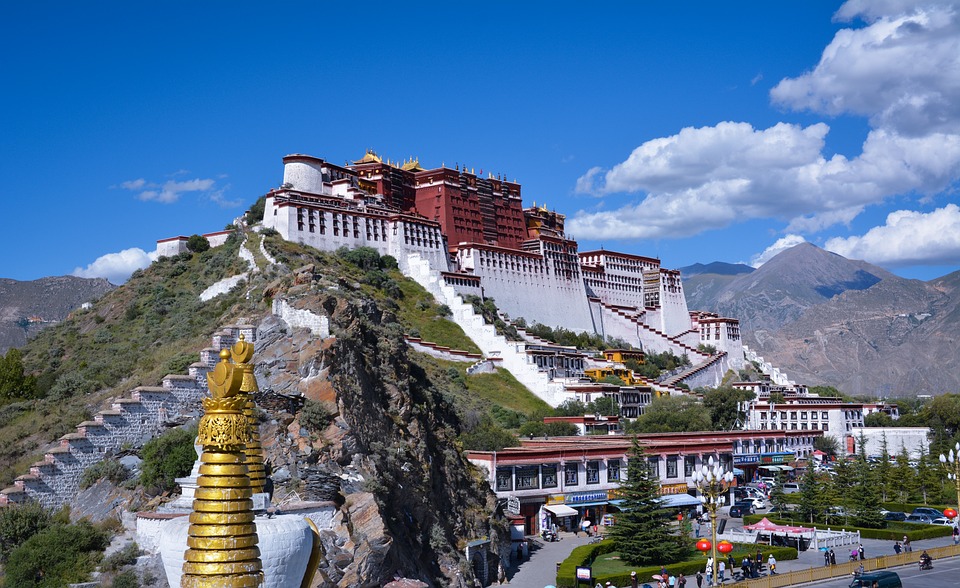
Explore the city’s architectural landmark and spend time around Barkhor Street. Leave room for the markets, traditional crafts and the everyday rhythm of the capital.
 Plan this journey ↗
Destinations / Tibet
Monasteries, mountain lakes and journeys across the high plateau. Give Tibet the time and thoughtful pacing its landscape deserves.
Explore the guide ↓The Tibetan Plateau
Tibet stretches between the Himalayas, Karakoram and Kunlun ranges. Its high plateau, major river systems, alpine grasslands and mountain valleys support distinctive wildlife and a deeply rooted Tibetan culture. Lhasa makes a natural starting point for a journey that can extend towards Shigatse, the Yarlung Valley or western Tibet.
Places and experiences to shape your Tibet journey.
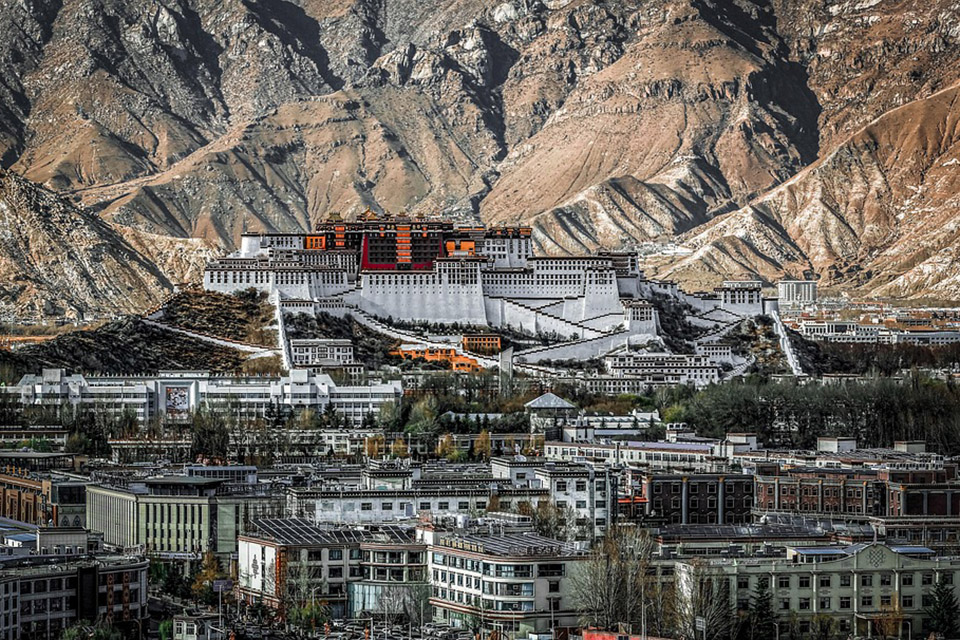
Explore the city’s architectural landmark and spend time around Barkhor Street. Leave room for the markets, traditional crafts and the everyday rhythm of the capital.
Jokhang Temple, Drepung, Sera and Ganden introduce different aspects of Tibetan Buddhism. Further afield, consider Tashilhunpo in Shigatse, Samye and Rongbuk where access permits.
The plateau’s lakes offer a different perspective on the mountain landscape. Namtso lies above 4,700 metres: a lakeside excursion is a high-altitude day, not simply a scenic drive.
Explore a landscape closely associated with Tibetan history, including Yumbulagang and the valley’s religious and cultural sites.
The Everest region and Shishapangma combine long road approaches with dramatic mountain scenery. Viewpoint visits and wilderness treks need different itineraries and access arrangements.
The sacred mountain is experienced through pilgrimage and the walking circuit around it. It is not a climbing objective. Build a western Tibet journey around the time and support this high route requires.
Let your activities and route guide the choice of dates.
March–May can bring milder days, but high areas may still hold snow and nights remain cold.
June–August is warmer and popular. Conditions vary across the plateau; keep flexibility for rain, cloud and changes to road or trail access.
September–November brings cooler days and opportunities for mountain views. Cold and snow increasingly affect higher routes later in the season.
December–February calls for a different itinerary. Severe cold and seasonal closures limit remote journeys; confirm what is practical before committing.
Connections, bases and overnight arrangements.
Lhasa Gonggar Airport and the Qinghai–Tibet Railway are the main gateways described in this guide. Choose flight or rail connections around the approved itinerary and current schedules.
Long distances and mountain roads favour a planned vehicle journey with an experienced driver. Arrange transfers and remote sections together, allowing time for weather and access changes.
Lhasa and Shigatse offer a range of hotels. Remote journeys may involve basic guesthouses or camping, with fewer facilities. Confirm room standards, heating and availability when planning.
Make room for local life, food and cultural encounters.
Losar, Shoton and Saga Dawa are among the festivals highlighted in this guide. Dates and visitor access need checking for your travel year; respect ceremonies and local instructions.
Try momos, tsampa and butter tea, and discover thangka painting, woodcarving and embroidery. Ask before photographing people or religious interiors.
Practical details to discuss when shaping your trip.
Travel arrangements and permits for international visitors must be confirmed for the specific itinerary before booking transport.
Allow gradual acclimatisation and a flexible pace before high excursions or trekking. Discuss personal health considerations with a qualified clinician before travel.
Bring warm layers, rain protection and sun protection even for a summer trip. City conditions do not represent the weather at a high pass.
Tell us your dates, group size, interests and preferred pace. We can help connect the places you want to see with the practical details of travelling between them.
Start my journey brief ↗